Injection molding of electronic precision plastic molds
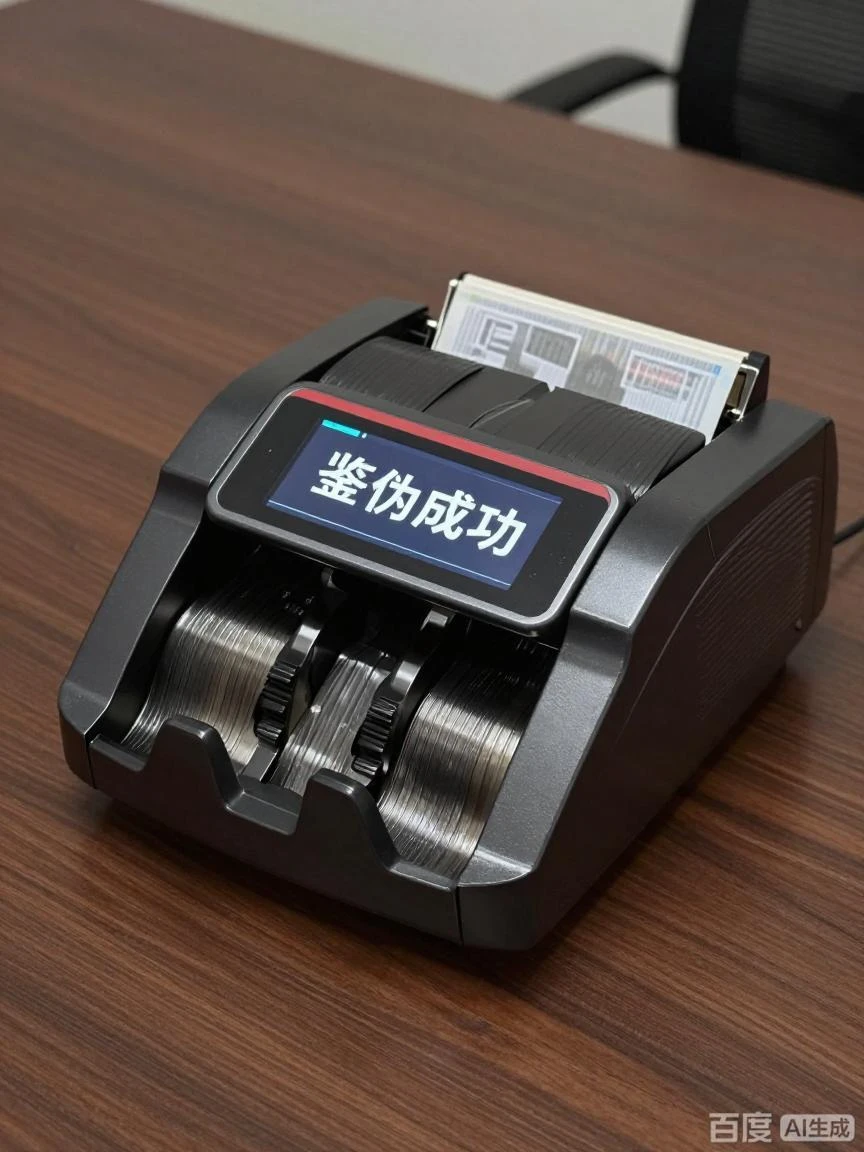
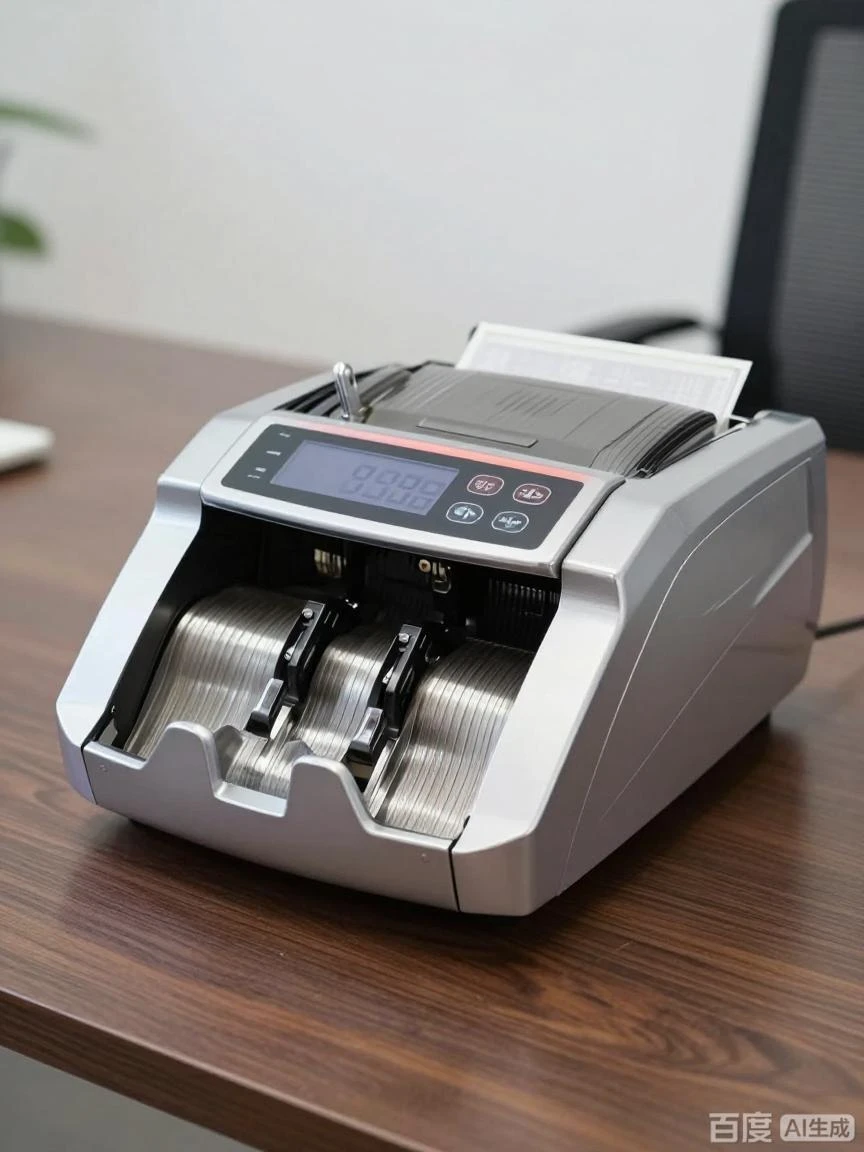
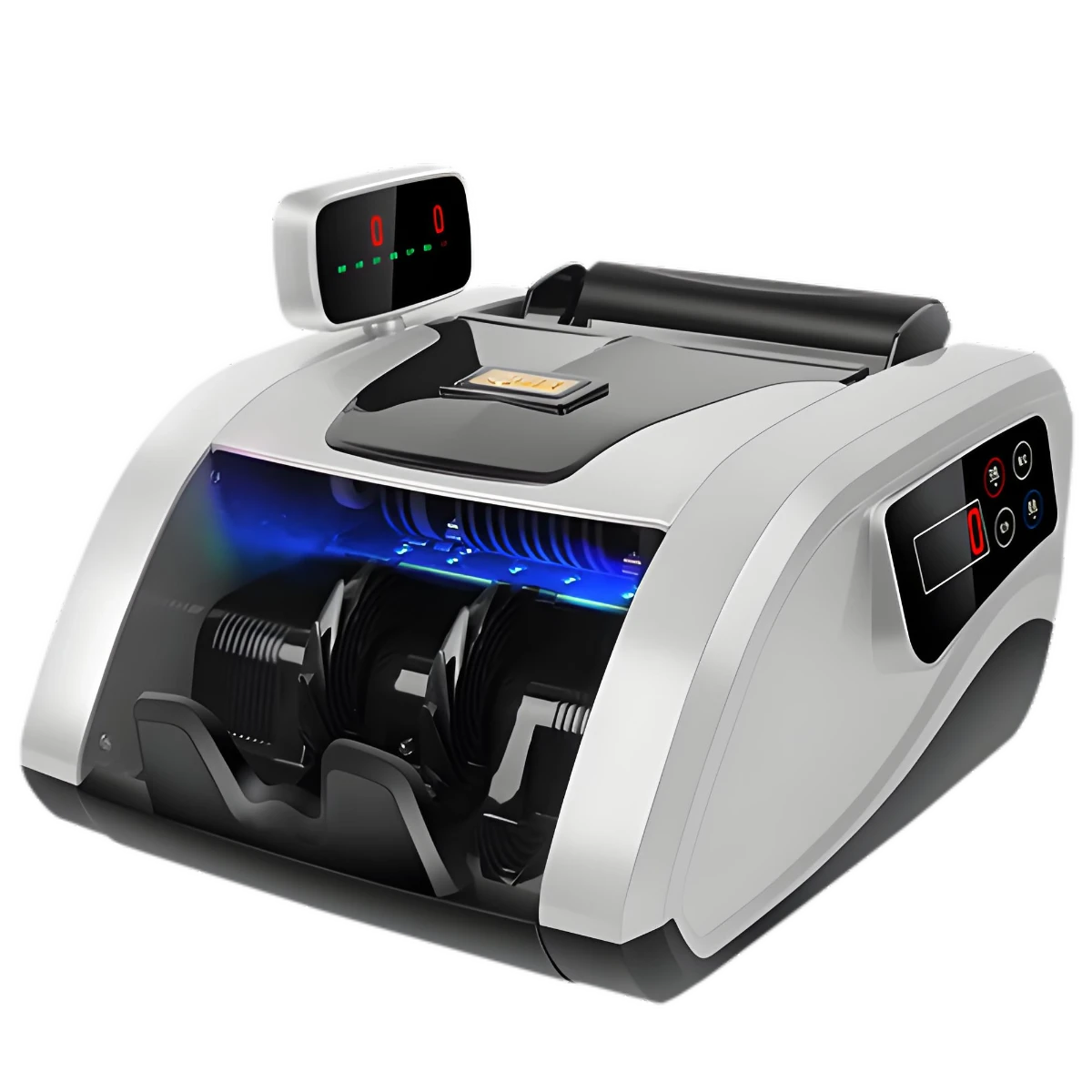
Currency detector mold
Model: 1.0
Applications
 consumer electronics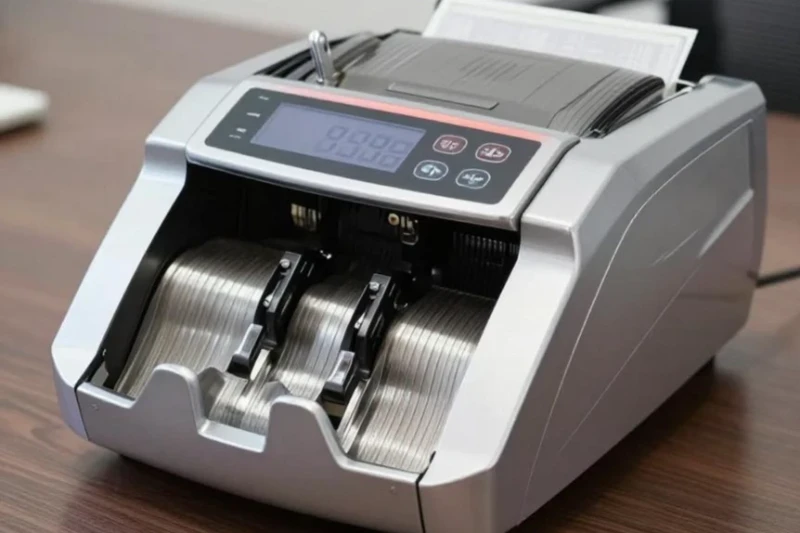
1 / 4
1
2
3
4
Description
The bill validator mold is primarily used for producing a full set of plastic components for currency counting and verification equipment, including structural parts such as the upper and lower casings, operation panel, note inlet bracket, note blocking plate, sensor mount, and bottom shell of the bill validator. It is suitable for commercial desktop bill validators, small portable bill validators, multi-currency identification machines, and other models.
Mold Process and Materials: High-quality mold steels such as P20 and 718H are selected, undergoing heat treatment, fine grinding, and polishing processes. Precision machining processes such as CNC, EDM, and wire cutting are employed to ensure the dimensional accuracy of the mold cavity and good consistency in plastic parts. Surface treatments such as high-gloss, etching, and frosting can be applied according to product appearance requirements.
Product Advantages ✅ Dimensional Stability: The plastic parts exhibit minimal deformation, ensuring high assembly fit and precise installation of the internal sensors and roller components of the bill validator; ✅ Durability and High Efficiency: The molds are wear-resistant and have a long service life, making them suitable for high-volume continuous injection molding production, thereby reducing the production cost per unit; ✅ Structural Flexibility: Supports single-cavity / multi-cavity mold design, enabling the creation of undercuts and complex rib structures, meeting the complex internal bracket molding requirements of the bill validator; ✅ One-Stop Service: Product structure evaluation → mold design DFM → mold opening and processing → mold testing → sample confirmation → mass production injection molding, with full process follow-up.
Applicable materials include commonly used engineering plastics such as ABS, ABS+PC, and PP. We can recommend raw material solutions based on the flame retardant and impact resistance requirements of customers' products.
Application areas: financial currency counting equipment, commercial cash register and currency detector, portable handheld currency detector, plastic components for self-service financial terminals.